The Cascading Crisis: How Declining Metallurgy Hits Local Budgets and the State
Production cuts in Ukraine's metallurgy due to shelling and logistics issues trigger a chain reaction that reduces state and local budget revenues while threatening jobs.
 🧠AI Analysis
Photo: UNIAN
Key points
- Metallurgical production cuts strain budgets
- Declining VAT and corporate tax revenues
- Industrial cities forced to slash infrastructure spending
- Urgent need for port unblocking and energy stability
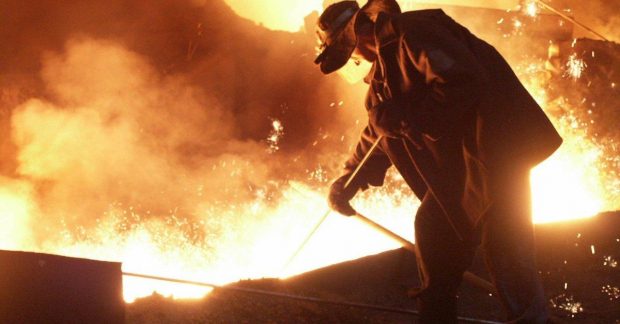
The systemic crisis in Ukraine's mining and metals sector has evolved from an industry-specific problem into a threat to the country's financial stability. Due to continuous shelling, Black Sea port blockades, rising logistics costs, and severe electricity shortages, metallurgical enterprises are forced to curtail production. This directly impacts tax revenues directed to both the national treasury and the local budgets of industrial regions.
A Chain Reaction for the Economy and Related Sectors
A downward trend in financial performance is evident among key market players. Specifically, Metinvest reduced its tax payments by 6% over the first three quarters of the year, while VAT receipts dropped by 36%. The Dneprovsky Metallurgical Plant cut its contributions even more sharply—by 46%. Even historically stable enterprises, such as ArcelorMittal Kryvyi Rih, anticipate lower payments due to the shutdown of facilities.
Since metallurgy generates a significant share of Ukraine's GDP and foreign exchange earnings, every halted enterprise triggers a cascading effect. Related sectors—including energy, mechanical engineering, railways, and logistics—feel the reduction in orders. Consequently, losses spread to small businesses and the service sector, which depend on consumer purchasing power.
The Blow to Local Budgets and Social Services
Industrial cities, where taxes from large plants form the backbone of local treasuries, bear the brunt of the impact. Local authorities are already forced to cut budgets, reducing spending on road repairs, municipal infrastructure, schools, and hospitals. At the same time, communities are losing the ability to participate in international grant programs due to a lack of co-financing funds.
Experts emphasize that amid domestic revenue shortages, the state becomes critically dependent on external financial aid. To halt this negative scenario, the industry requires comprehensive solutions, notably unblocking sea routes, optimizing logistics, and guaranteeing stable energy supplies.
Source UNIAN — unian.ua/society/kaskadniy-efekt-padinnya-virobnictva-u-metalurgiji… ↗
Read next
 🛡️Security
Zelenskyy announces Ukraine's readiness for four-way talks with Russia involving US and Europe
President Volodymyr Zelenskyy stated that Ukraine is ready for four-way peace talks involving the US, Europe, and Russia. Partners are considering organizing the meeting …
 🛡️Security
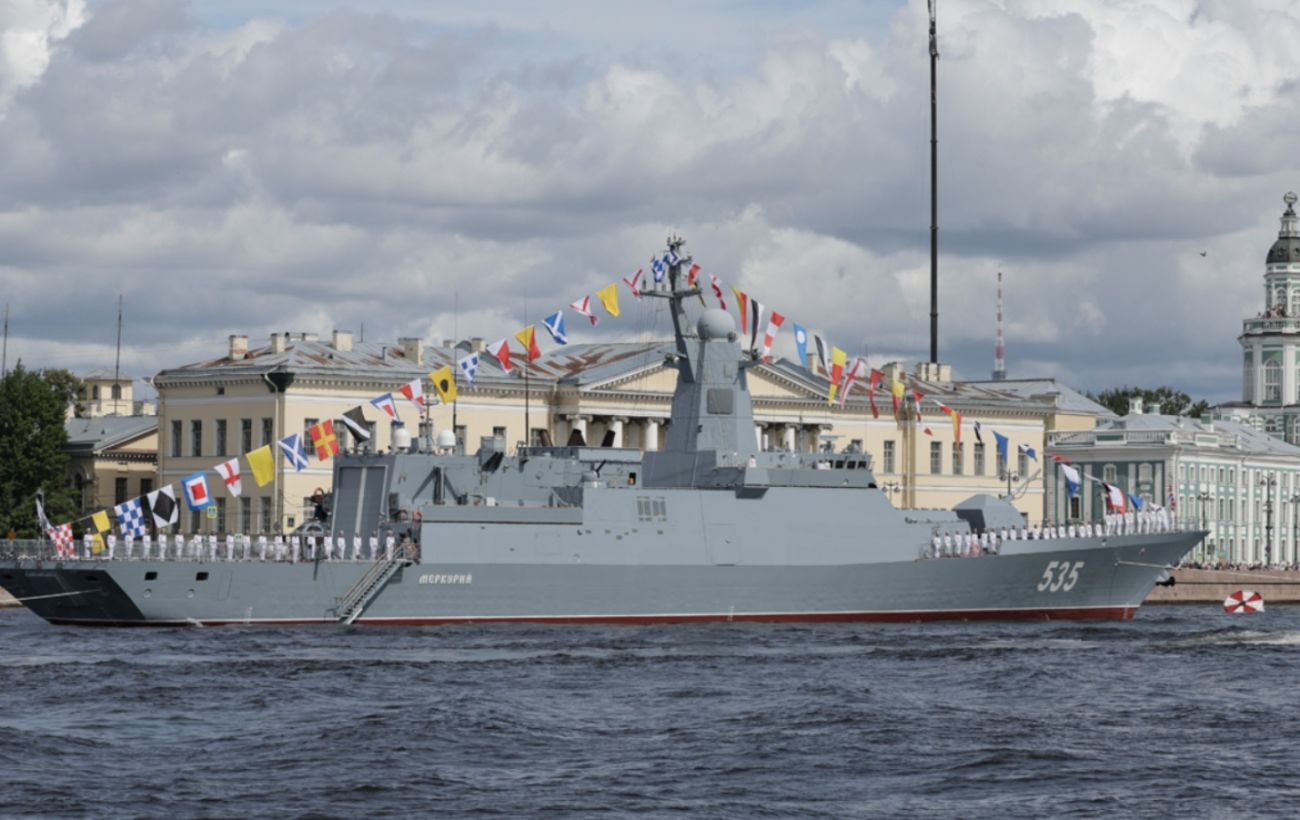
Defense Forces destroy Russian missile corvette 'Merkuriy' off the coast of Libya
Ukrainian military, jointly with the Security Service, conducted a special operation in the Mediterranean Sea, hitting and sinking a modern Russian warship.
 🩺Health
Capital hospitals admit 38 children with flu and ARVI in one week
Kyiv recorded over 7,700 respiratory infection cases over the past week with an increase among schoolchildren, though overall figures remain below the epidemic threshold.
In Bila Tserkva, a drunk driver without a license crashed into a GAZ vehicle
A traffic accident occurred on Mykola Khrustalenko Street in Bila Tserkva involving an intoxicated driver lacking a license. Both vehicles sustained material damage, with…
 🛡️Security
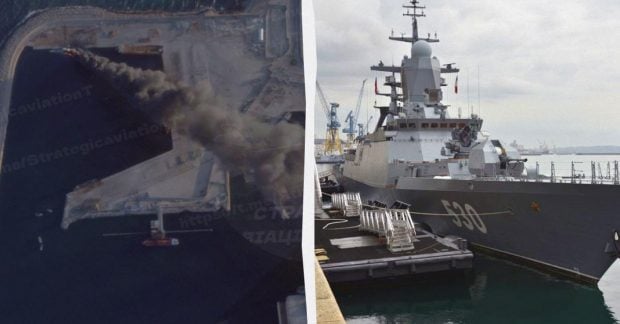
Destruction of Russian Corvette "Merkuriy" Near Libya Hits Kremlin's African Ambitions
Ukraine's Defense Forces have sunk the newest Russian corvette "Merkuriy" near the coast of Libya, along with a combat helicopter and a cargo ship. According to Navy spok…
 🧠AI Analysis
Snow and Icy Roads in Kyiv Region: Forecasters Warn of Weather Shift
In the coming days, Bila Tserkva and all of Ukraine expect cooling, snowfall, and hazardous road conditions due to ice.