Threat to critical infrastructure: Russian services hunt for new generation sources in Kyiv
Russian saboteurs are attempting to locate new cogeneration facilities in Kyiv for potential strikes, but the city has already deployed over 50 MW in backup power.
Key points
- Russian services target Kyiv's new cogeneration facilities for sabotage
- Kyiv deploys over 50 MW of emergency backup generation ahead of schedule
- The capital remains dependent on external power due to internal generation deficits
The energy security situation in the Ukrainian capital remains tense as hostile intelligence services actively try to locate new backup power sources. According to Kyiv City Council deputy Leonid Yemets, Russian special services are attempting to identify the locations of cogeneration facilities before they reach full operational capacity in order to carry out targeted strikes or acts of sabotage.
Despite these threats, the city has managed to prepare for potential challenges ahead of time. While such projects typically take around two years to implement, Kyiv successfully established new backup power capacities much faster. These new electricity generation facilities, with a total capacity of over 50 MW, are designed to support critical infrastructure during potential attacks.
Kyiv's ongoing reliance on external power supplies
At the same time, experts note that the city still lacks sufficient generation to fully cover its own needs. Previously, Kyiv's three combined heat and power plants produced about 1,300 MW, whereas average winter consumption reaches roughly 2,000 MW. Consequently, a significant portion of electricity continues to be supplied to the capital from outside sources.
This structural dependency leaves the city vulnerable to attacks on transmission lines. The introduction of backup sources does not mean they can entirely replace the primary energy volume required by a major metropolis, but they will serve as a vital safety net to keep heating, water supplies, and hospitals functioning during severe outages.
The unfolding situation highlights the broader energy vulnerabilities facing major Ukrainian cities, serving as a reminder for the entire Kyiv region, including Bila Tserkva. Integrated regional power grids mean that capital-level disruptions can ripple outward, making local preparedness paramount. For residents, this underscores the importance of energy conservation and readiness for potential infrastructural challenges as the heating season progresses.
Source kyivschina24 — kyivschina24.com/news/u-kyyevi-rosiyany-shukayut-dzherelo-rezervnogo-zh… ↗
Read next
St. Sophia Cathedral in Kyiv to Reveal Unique Historic Frescoes for First Time in Over 50 Years
The National Sanctuary 'St. Sophia of Kyiv' will unveil monumental 17th-18th century paintings hidden for decades under later layers.
 🏙️City
How to Make Terry Towels Soft Again: A Simple Household Trick
An effective and budget-friendly method to restore stiffness to old Terry towels using common salt and citric acid.
 🛡️Security
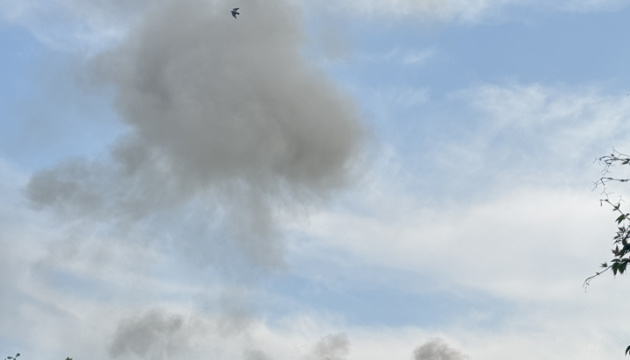
Frontline Update: General Staff Reports Hundreds of Shelling Incidents and Dozens of Clashes
Over the past day, 131 combat clashes were recorded along the frontline, with the heaviest enemy attacks targeting the Pokrovsk and Kostiantynivka directions.
 🛡️Security
Enemy Attacks Energy Infrastructure in Zhytomyr Region Four Times in One Day
Russian forces carried out four drone strikes against energy facilities in the Zhytomyr region over 24 hours, aiming to cut off power and heating.
 🛡️Security
Severe Power Grid Damage: Public Transit Halts and Water Supply Fails in Odesa Following Enemy Attacks
Due to a critical power supply situation in Odesa and surrounding districts, electric transport has stopped and water supply has been cut off.
 🛡️Security
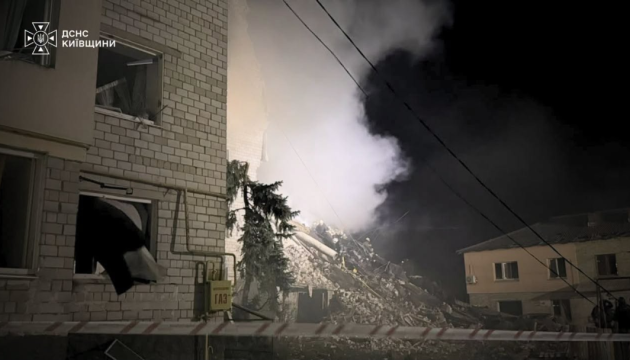
Enemy Drone Attack Damages Apartment Building in Kyiv Region, Rescuers Search for People Under Rubble
A residential building in the Vyshhorod district of the Kyiv region was hit by a hostile UAV, causing significant destruction and a fire.