The Rise of an Authoritarian Alliance: Analyzing Global Security Threats
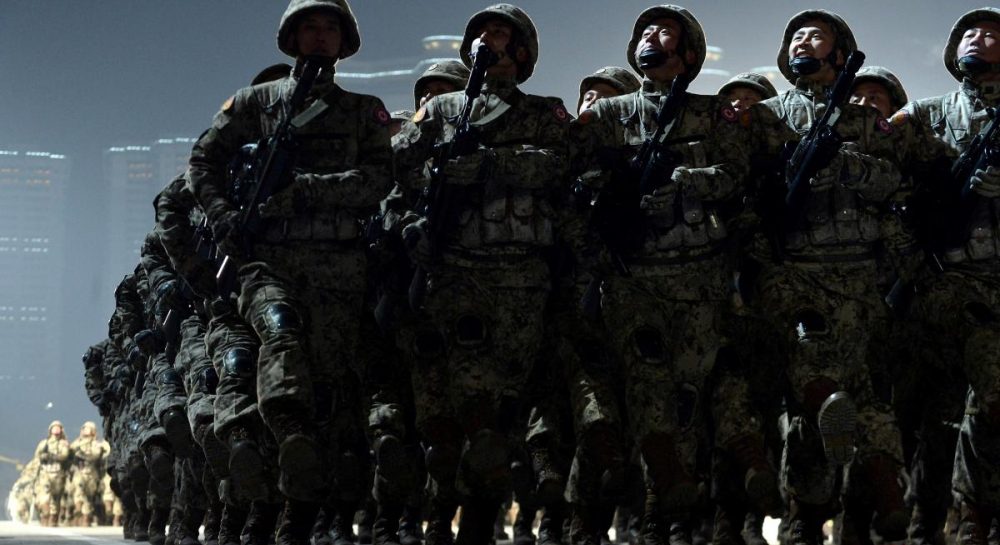
The Economist reports on increased coordination between Russia, China, Iran, and North Korea, posing new challenges for Western democracies.
 🏛️Politics
Photo: UNIAN
Key points
- Increased coordination between Russia, China, Iran, and North Korea
- Over 600 security cooperation cases since 2019
- Lack of unified command despite shared interests
International analysts are documenting a rising level of cooperation among four authoritarian regimes: Russia, China, Iran, and North Korea. According to The Economist, these nations are actively sharing military technologies, intelligence, and expertise, which allows them to more effectively circumvent international sanctions.
A New Format of Geopolitical Confrontation
Although this alliance lacks an institutional structure similar to NATO, the number of recorded security-related interactions has exceeded 600 over the past six years. Experts note that since the start of Russia's full-scale invasion of Ukraine, this process has become systematic.
However, analysts point to internal contradictions within this group. In particular, China's economic interests regarding stability in the Middle East do not always align with Russia's pursuit of global instability. Despite this, their joint opposition to Western influence makes this bloc increasingly dangerous to the world order.
Source UNIAN — unian.ua/world/rosiya-knr-iran-ta-pivnichna-koreya-stvorili-neforma… ↗
Read next
 🏙️City
Incident with Russian missiles in Poland: investigators confirm discovery of three targets
Polish investigators have updated reports on the Russian missile crash, confirming that three X-101 cruise missiles entered the country's airspace.
 🏙️City
Regional Energy Security: Consequences of Infrastructure Attacks
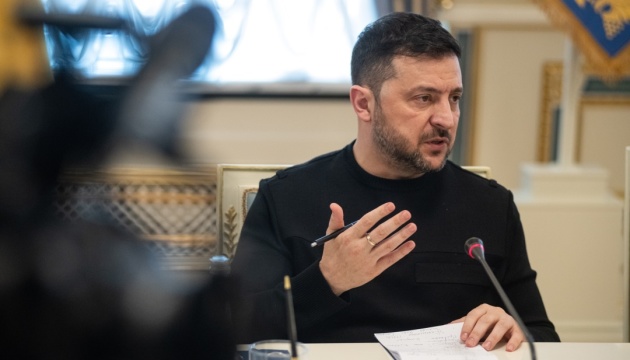
President Volodymyr Zelensky reported on enemy attempts to destabilize Ukraine's energy system, focusing strikes on the Odesa and Dnipropetrovsk regions.
 🎭Culture & Sport
National Guard soldier joins 'The Voice of Ukraine-14'
Taras Redziy, a member of the National Guard, successfully passed the blind auditions on the popular vocal show, choosing Natalia Mogilevskaya as his mentor.
 🩺Health
The secret of nutritious sardines: why you shouldn't remove the bones from canned fish
Nutritionists explain that small bones in canned sardines are a valuable source of calcium that consumers often overlook.
 🏙️City
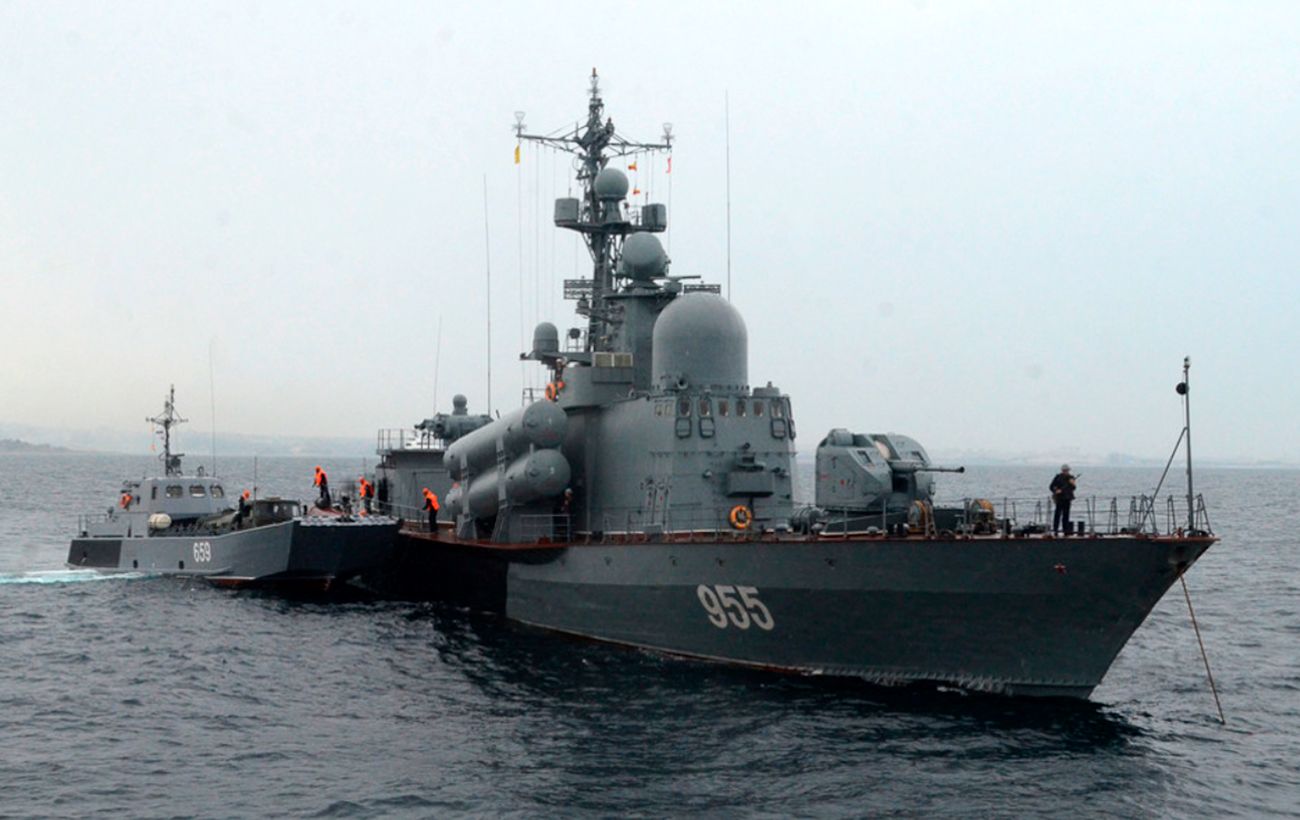
Russian corvette 'Mercury' damaged in Libya: possible involvement of Ukrainian forces
A Russian military vessel sustained heavy damage during a sea drone attack in the port of Benghazi. Preliminary reports suggest that Ukrainian military personnel may be i…
 🇺🇦Ukraine
Trump's Peace Initiatives and Europe's Stance: An Analysis of International Talks
The Trump administration aims to end the war in Ukraine by January 2027, but US proposals for security guarantees are sparking debate in Kyiv and the EU.