Ancient calendar predictions versus modern meteorology for the upcoming winter
An 1851 Hungarian calendar forecasts a harsh and dry winter, but modern meteorologists expect a much milder and wetter season.
 👥Society
Photo: UNIAN
Key points
- Historical calendar predicts a cold winter
- Modern science dismisses ancient weather folklore
- El Niño indicates a milder and wetter season
As the winter season approaches, communities and agricultural sectors naturally look forward to weather predictions. Recently, attention turned to an 1851 Hungarian publication called the 'Hundred-Year Forecaster,' which suggests that the current planetary cycle could bring dry and freezing conditions. Such historical texts have long intrigued weather enthusiasts, though their scientific reliability remains extremely limited.
Science triumphs over historical folklore
The ancient book was based on agricultural lore and astronomical correlations compiled centuries ago. However, statistical analysis shows that historical weather rules rarely outperform random chance. In contrast, modern meteorological agencies point to global climate factors, particularly the strong El Niño phenomenon, which is expected to drive warmer and wetter conditions across large parts of Europe.
For residents of Bila Tserkva and local communities, understanding these weather patterns is essential for daily planning and municipal readiness. Milder winters generally reduce the burden on heating systems and energy grids, while still requiring local authorities to stay prepared for sudden temperature shifts and precipitation. Keeping informed helps citizens balance traditional expectations with practical, science-based forecasts.
Source UNIAN — unian.ua/pogoda/news/zima-2026-2027-chi-bude-vona-holodnoyu-i-suhoy… ↗
Read next
 🚨Events
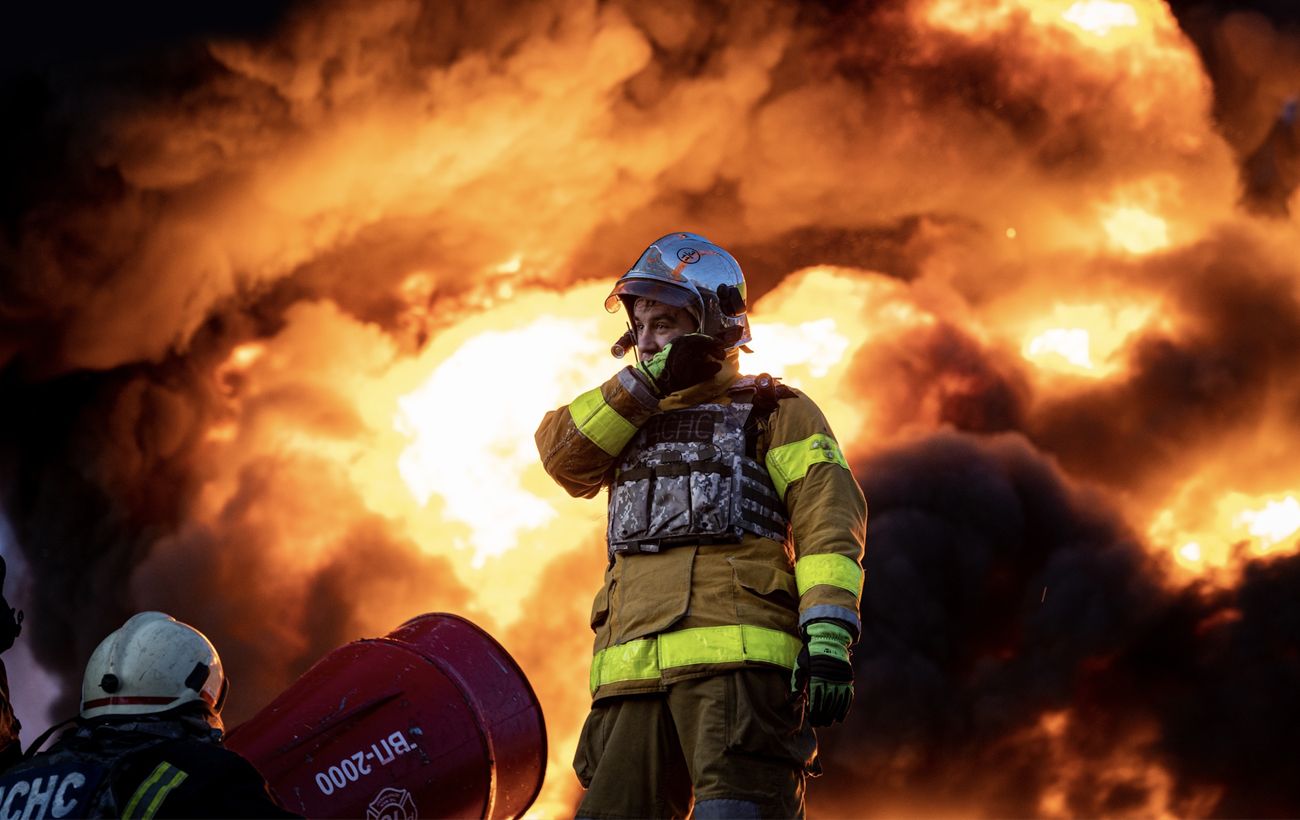
Russian Strike on Store in Vyshneve, Kyiv Region, Leaves One Dead and Several Injured
A hostile attack in the town of Vyshneve, Kyiv region, resulted in one fatality and three injuries after a local store was hit.
 🎓Education
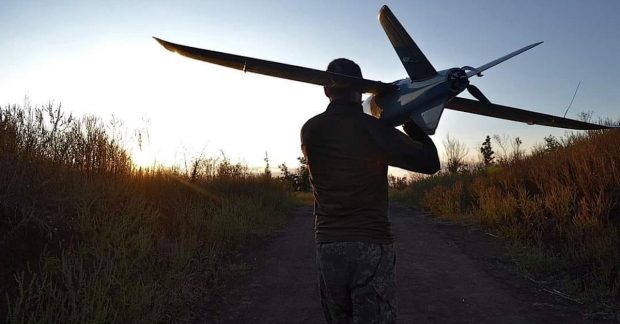
Ukrainian Drone Operators' Expertise Reshapes US Military Training
A US military instructor visited the Ukrainian UAV academy Killhouse and adopted advanced methodologies for pilot training in the United States.
 🛡️Security
Ukraine and Sweden discuss fast-tracking Gripen fighter jet deliveries
The Ministry of Defense of Ukraine is negotiating with Sweden to accelerate the transfer of Gripen aircraft and essential weaponry to strengthen air defense.
 🩺Health
Enemy attack in Kyiv region: Bilopillya and Bila Tserkva districts affected
As a result of another Russian attack on the Kyiv region, destruction and casualties were recorded in several areas, including injuries and fires in the Bila Tserkva dist…
 💼Economy
The 'Steel Hundred': 100th OMBr Launches Recruitment Campaign for Local Residents
The 100th Separate Mechanized Brigade of the Armed Forces of Ukraine is inviting specialists to join its ranks, offering service in a highly regarded military unit.
 🩺Health
How Much Water to Drink for Healthy Blood Pressure: Cardiologists' Advice
Leading cardiologists explained how hydration levels affect blood pressure and how much fluid individuals should consume daily to maintain cardiovascular health.